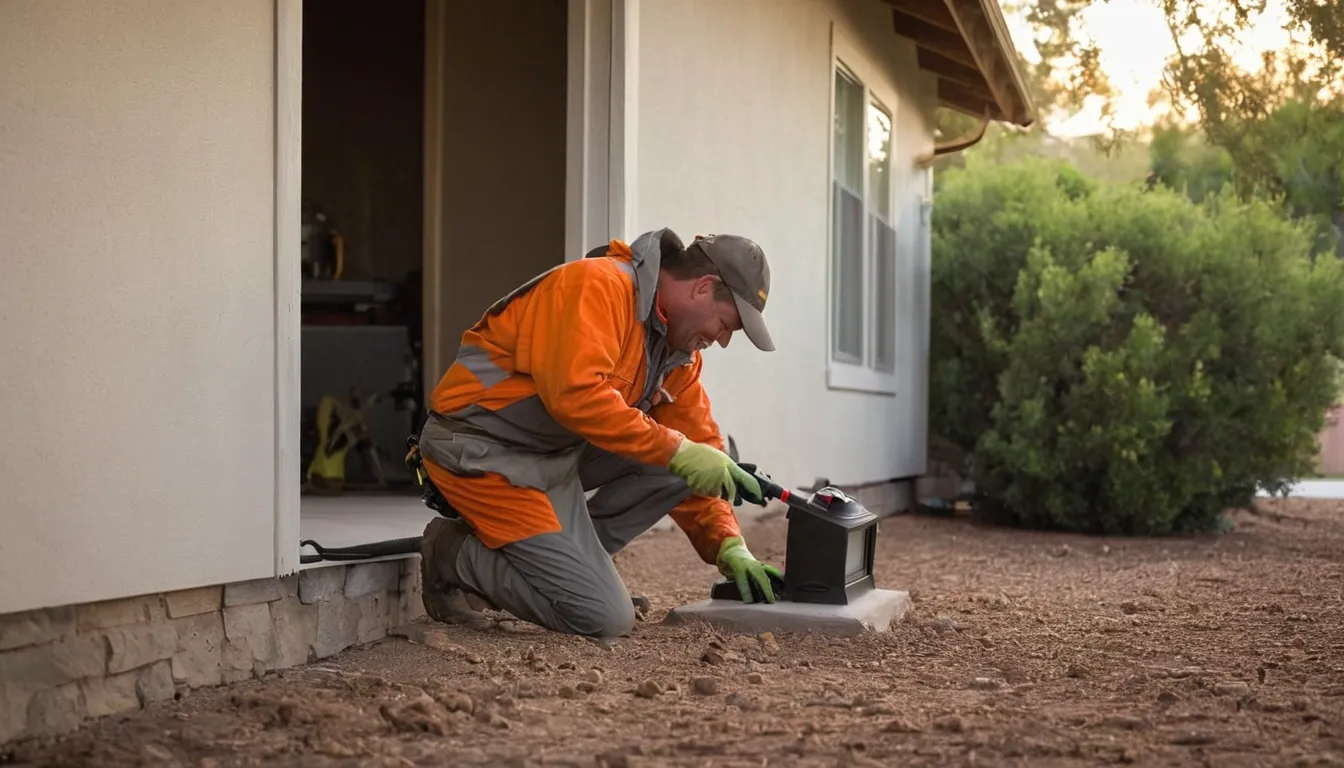
Termites eat the wood that holds your house up. They work in secret, so the first sign can feel scary. Take a breath. Most termite problems grow slowly, and you have time to act with a clear head. A trained provider can find the cause and pick a fix that fits your home.
Laughsurvive Pest Control is a referral service. We do not treat homes ourselves. We link homeowners in Vallejo and the Vallejo area with independent local providers who do the work. This page explains what to do in the first hour, how treatment works, what it may cost, and what to check in older homes, where old repairs can hide gaps.
Think You See Termites? Start Here
Breathe. Termites move slowly, and a few steps now will help a lot. Here is what to do first.
Your First Hour, Step by Step
- Stop and look. Do not poke or pull at the wood.
- Take clear photos of what you see.
- Seal a few insects or wings in a jar or bag.
- Do not spray store-bought bug killer. It can push termites to new spots.
- Write down where and when you saw them.
Why Termites Need Prompt Attention
Termites eat wood from the inside. Wood is your frame, your floor, and your roof support. The damage grows out of sight. Waiting often makes the repair bill bigger.
Know the Warning Signs
Swarmers and Wings
Swarmers are winged termites that leave the nest to start new ones. Piles of small, matching wings near a window or door are a clear clue.
Mud Tubes
A mud tube is a pencil-wide dirt tunnel on a wall or slab. Subterranean termites build them to stay moist.
Frass
Frass is the term for tiny wood pellets that look like sand or coffee grounds. Drywood termites push them out of small holes.
Sounds and Sticking Doors
Wood that sounds hollow when tapped is a warning. So are bubbling paint and doors that start to stick.
Termite or Flying Ant?
Look at the waist. A termite has a straight, thick waist. An ant has a pinched, thin one. Termite wings are also all the same length. A provider can confirm what you found.
Types of Termites
Drywood Termites
They live inside dry wood and need no soil. Dry climates and long dry seasons suit them well.
Subterranean Termites
They nest in the ground and travel up to your home. Winter rain can bring them closer to the surface.
Dampwood Termites
They want wet wood. Leaks and damp crawl spaces draw them in.
How Termite Treatment Works
Inspection First
A provider checks the attic, walls, crawl space, and outside edges. Then they pick a plan.
Spot Treatment
For a small drywood area, the provider treats just that wood. It is often the quickest option.
Tenting
Tenting, also called fumigation, means covering the house and filling it with gas. It reaches every room and hidden corner. Your family and pets must stay out for a set time.
Soil Treatment and Bait
For ground termites, a provider may treat the soil around the home. Or they set bait stations, which are small traps that carry slow poison back to the nest.
Check the Old Spots in Older Homes
Older bungalows and tract homes from the 1950s to the 1980s hold surprises. Wood ages. Past repairs may have left gaps. Stucco cracks can hide a path inside.
Where Providers Often Look
- Raised foundation vents and crawl spaces
- Porch posts and old patches
- Window and door frames
- Garage walls and attic corners
Termite Inspections for Home Sales
Buyers often ask for a termite report before they close. Sellers can order one early. It lists what the provider found and what they suggest. Fixing problems first can keep a sale on track.
Choosing a Termite Provider
Ask a few plain questions before you agree.
- Is the provider licensed in your state?
- Will they put the plan and price in writing?
- What product or method will they use?
- Is there a follow-up visit?
Get more than one quote if you can. Compare the plans, not just the price.
After Treatment
Follow the Provider's Rules
You may need to stay out for a while, air out rooms, or cover food. Ask for the rules in writing.
Keep Termites Away
Fix leaks. Keep wood off the soil. Clear damp debris near the walls. Book a yearly check, since termites can return.
What's Included
Full Inspection
A provider checks attic, walls, crawl space, and outside edges to find where termites live.
Clear Plan
You get a written plan that names the method, the area, and the price.
Treatment Visit
The provider treats the wood, soil, or whole house based on the termite type.
Follow-Up Check
Many providers offer a later visit to confirm the termites are gone and stay gone.
Typical Termite Treatment Costs
Prices vary by home size, termite type, and how far the damage spreads. These are typical U.S. ranges only. Always ask for a written quote before work starts.
| Service | Typical range | Notes |
|---|---|---|
| Termite inspection | $75 – $300 | Price depends on home size and report type |
| Spot treatment (drywood) | $250 – $900 | Works well for small, easy-to-reach areas |
| Liquid soil treatment | $1,200 – $3,000 | Often used around slabs and foundations |
| Bait station system | $1,500 – $3,500 | Set around the yard and checked over time |
| Whole-house tenting | $2,000 – $8,000 | Cost grows with house size and height |
| Yearly follow-up check | $100 – $400 | Often needed to keep a plan active |
How It Works
Look and Photograph
Take clear photos of wings, mud tubes, or pellets. Keep a few insects in a sealed jar.
Hold the Spray
Skip store-bought spray. It can scatter termites and make the job harder.
Call or Request
Request a callback to check provider availability, or use the request form.
Compare Quotes
Review the written plans and pick the one that fits your home.
Why Call Laughsurvive Pest Control
Hidden Damage Grows
Termites chew inside wood where you cannot see. Small signs can point to a much larger problem.
Calm Guidance
Clear first steps keep you from making the problem worse while you wait for a provider.
Older Home Care
Aging wood and old repairs leave gaps. Providers know where to look in these homes.
Local Providers
Providers in our network know the termites and weather common near you.
Other Services
Need residential termite treatment in Vallejo?
Seen a pest? Request a callback to check provider availability, or send a request and ask for an estimate. There is no obligation.
No obligationResidential Termite Treatment FAQ
How do I know if I have termites or flying ants?
Check the waist and wings. Termites have a straight, thick waist and wings of equal length. Ants have a pinched waist and uneven wings. If you are unsure, a provider can inspect and tell you.
Can I treat termites myself with store-bought spray?
Spray rarely reaches termites hidden in walls or soil. It can also scatter them to new areas. Most homeowners do better with a licensed provider who can find the nest and choose the right method.
Does homeowners insurance cover termite damage?
Most policies treat termites as a maintenance issue and may not cover them. Some policies may cover sudden damage. Check your policy, and ask the provider to help document what they find.
Request a callback
Seen a pest? Request a callback to check provider availability, or send a request and ask for an estimate. There is no obligation.
No obligation